
Comparing Water Heating Options
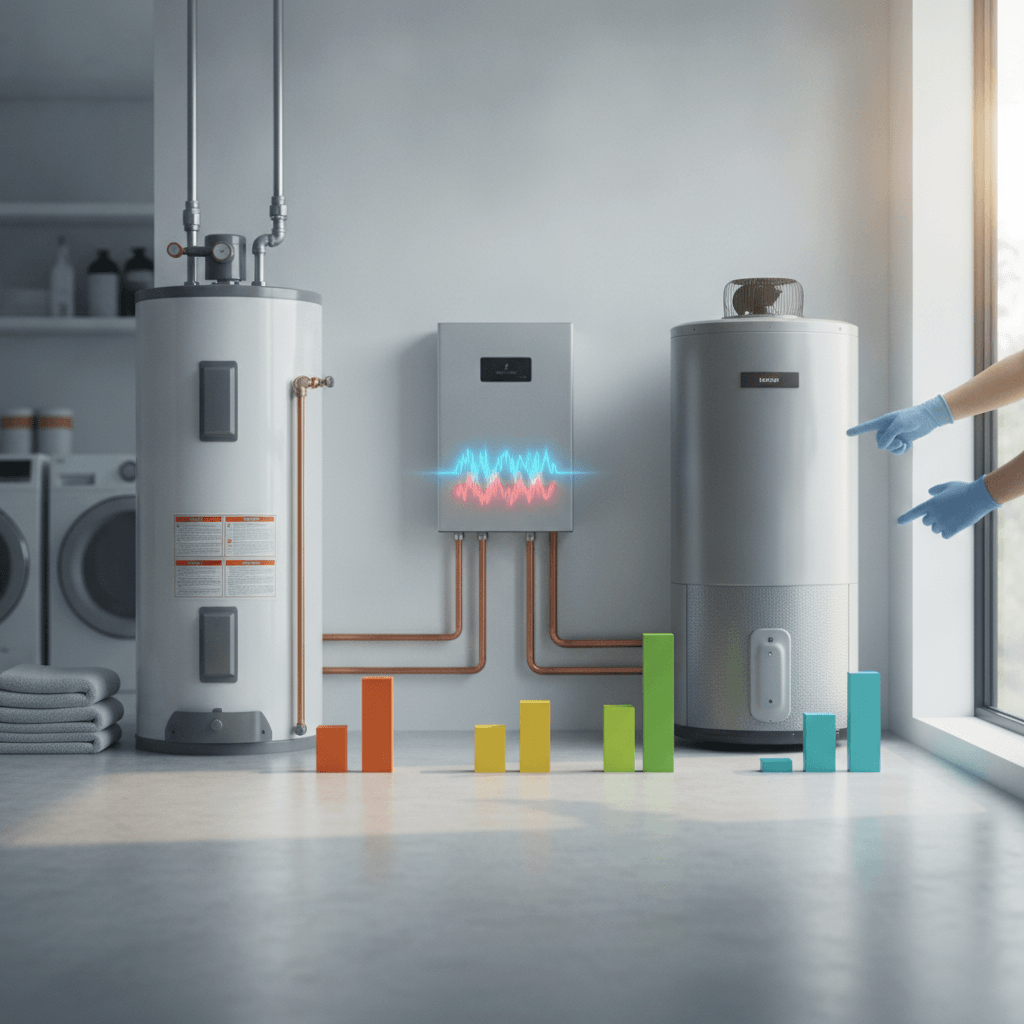
Choosing the right water heater for your home involves more than just picking the first option you see. It is a big decision that impacts your daily comfort, energy bills, and environmental footprint for many years. I have learned that comparing water heating options carefully can save you a lot of trouble and money down the line.
There are several types of water heaters available today. Each one offers different benefits and drawbacks. We need to consider things like how much hot water your family uses, your budget for installation, and how much you want to spend on energy each month.
My goal here is to help you understand the main differences between these systems. We will look at traditional tank heaters, modern tankless models, efficient heat pump systems, and even solar options. By the end, you should have a clearer idea of what might work best for your unique living situation.
Understanding Traditional Tank Water Heaters
Traditional tank water heaters are what most of us grew up with. They store a large amount of water and heat it consistently to a set temperature. These units come in various sizes like 40 or 50 gallons. They are powered by natural gas, propane, or electricity.
One clear advantage of these systems is their lower upfront cost. The purchase price and installation are often less expensive compared to newer technologies. This makes them a popular choice for homeowners on a tighter initial budget. They also provide a readily available supply of hot water until the tank is depleted.
However, traditional tanks have some significant drawbacks. They suffer from standby heat loss. This means the unit constantly reheats water even when no one is using it. This wastes energy and can lead to higher utility bills. Their lifespan is typically shorter too, often around 10 to 15 years. They also take up a good amount of space in your garage or utility closet.
We often find that these tanks can run out of hot water if several people take showers back to back. This can be frustrating for larger families. Repair costs can also add up as they age, making replacement a common task after a decade or so.
Exploring Tankless Water Heater Benefits
Tankless water heaters, also known as on-demand water heaters, represent a major shift in how we get hot water. Instead of storing water, they heat it only when you need it. When you turn on a hot water faucet, cold water travels through a pipe into the unit. A gas burner or electric element then heats the water quickly.
The primary benefit of a tankless system is the endless supply of hot water. You can take a long shower without worrying about running out. This is a huge plus for families who often use hot water at the same time. Another great advantage is their energy efficiency. Because they only heat water when needed, they eliminate standby heat loss, which can save a lot on energy bills over time.
Energy Efficiency and Cost Savings
Tankless water heaters can be up to 34% more energy efficient than conventional storage tank water heaters. This efficiency translates into tangible savings on your monthly utility bills. While the initial investment is higher, these savings accumulate over the system’s extended lifespan, making them a wise long-term financial choice.
I have seen homeowners report significant reductions in their energy consumption after making the switch. The technology has improved greatly. Modern units are very effective at providing hot water quickly and efficiently. This helps ensure comfort while being mindful of operating costs.
Installation Considerations
Installing a tankless water heater is more complex than installing a traditional tank. It often requires upgrades to your home’s gas line or electrical system. This is because tankless units demand a higher power input to heat water quickly. It is critical to have a qualified professional handle the installation.
These units are much smaller than tank heaters. They can be installed on a wall, freeing up valuable floor space. This can be a big benefit for homes with limited utility room or garage space. We must remember that proper venting is also essential for gas tankless models, adding another layer to the installation process.
Thinking about a tank vs tankless water heater lifespan difference is also key here. Tankless units can last up to 20 years or even more with good maintenance. This is nearly double the life of a traditional tank model. So while the upfront cost is higher, the extended durability helps balance that out.
Heat Pump Water Heaters a Hybrid Solution
Heat pump water heaters, also known as hybrid electric water heaters, offer a compelling alternative. They do not generate heat directly. Instead, they move heat from the surrounding air into the water tank. This is the same technology used in refrigerators and air conditioners, but in reverse. They are typically electric and have a storage tank like traditional models.
The main advantage of heat pump water heaters is their incredible energy efficiency. They can be two to three times more efficient than conventional electric resistance water heaters. This is because moving heat is less energy intensive than generating it. This leads to substantial savings on electricity bills, especially in warmer climates.
However, these units do have specific requirements. They need ample space around them to draw in air and release cooler air. A garage or basement often works well, but they should not be installed in small, enclosed spaces. They also operate best in environments that stay above 40 degrees Fahrenheit. Very cold ambient temperatures can reduce their efficiency and force them to rely on backup electric resistance heating elements.
I have found that the recovery time for a heat pump water heater can be slower than a traditional electric model. This means it might take longer to reheat a full tank of water after heavy use. They also produce a low hum similar to a refrigerator. This noise level is a factor to consider for installation locations near living areas.
The initial cost of a heat pump water heater is generally higher than a conventional electric tank. But the significant energy savings usually offset this extra expense within a few years. Government incentives and rebates are also often available for these energy-efficient appliances, which can further reduce the upfront investment.
Solar Water Heaters Harnessing the Sun’s Power
Solar water heaters use the sun’s energy to heat water. They consist of solar collectors, usually mounted on the roof, and an insulated storage tank. The collectors absorb sunlight and transfer that heat to a fluid, which then heats the water in the tank. This is an environmentally friendly option that can greatly reduce your reliance on conventional energy sources.
The most compelling benefit of solar water heaters is their very low operating costs. Once installed, the sun provides free energy to heat your water. This can lead to massive savings on your utility bills over the system’s lifespan. Many areas also offer strong government incentives, tax credits, and rebates to encourage the adoption of solar technology.
However, the initial investment for a solar water heater is the highest among all the options. Installation can be complex, requiring specialized contractors and modifications to your roof. These systems also depend on sunlight. They perform best in sunny climates. Cloudy days or long periods without sun mean the system will rely on a conventional backup heater.
Another consideration is the need for sufficient roof space for the solar collectors. Not all homes are suitable for solar installation due to roof orientation or shading from trees or other buildings. Maintenance involves checking collectors and fluid levels periodically. But overall, these systems are quite durable and can last 20 years or more.
Despite the challenges, I believe solar water heaters offer a fantastic path toward energy independence and environmental responsibility. They are a powerful choice for those prioritizing long-term savings and a reduced carbon footprint. We should always research local incentives when considering this option.
Key Factors When Comparing Water Heating Options
When you are comparing water heating options, several key factors should guide your decision. It is not a one-size-fits-all situation. What works for one household might not be ideal for another. Thinking through these points will help you make a choice that truly fits your needs and lifestyle.
Initial Cost Versus Long-Term Savings
The upfront price tag is usually the first thing people consider. Traditional tank heaters are generally the cheapest to buy and install. Tankless and heat pump models have higher initial costs, but they offer significant energy savings over their operational life. Solar water heaters have the highest initial investment, but they provide the lowest long-term operating costs.
I always advise looking beyond just the purchase price. Calculate the potential energy savings over 10 to 15 years. This gives a more accurate picture of the total cost of ownership. Sometimes, paying more initially leads to greater savings in the long run.
Household Size and Hot Water Demand
The amount of hot water your household uses daily is a critical factor. A single person might be fine with a smaller traditional tank. A large family with multiple bathrooms and concurrent hot water needs will likely benefit more from a tankless system offering endless hot water. Heat pump models also come in various tank sizes to accommodate demand.
Consider peak usage times. Do multiple family members shower at the same time each morning? Do you run the dishwasher and laundry simultaneously? These habits will heavily influence which type of water heater provides the best experience without running out of hot water.
Available Space and Fuel Type
Your home’s physical layout and existing utility connections play a role. Traditional tanks need floor space. Tankless units are compact and wall-mounted. Heat pump water heaters require a larger room or open space for proper air circulation. Solar panels need unobstructed roof space.
Also, think about what energy sources are available in your home. Do you have natural gas lines? Is your electrical panel robust enough for a high-demand electric tankless unit? These practical considerations can narrow down your choices quickly.
Maintenance and Lifespan
All water heaters require some level of maintenance to operate efficiently and prolong their life. Traditional tanks need regular flushing to remove sediment. Tankless units benefit from annual descaling. Heat pump models require filter cleaning. Solar systems may need occasional collector cleaning.
Understanding the expected lifespan of each system is also important for planning future replacements. Most traditional tanks last 10-15 years. Tankless and solar heaters can last 20 years or more. Heat pump water heaters generally fall in the 10-15 year range. Regular maintenance significantly impacts these estimates.
Environmental Impact
For many homeowners, reducing their carbon footprint is a growing concern. Solar water heaters are the clear winner here, using renewable energy directly. Heat pump models are also very environmentally friendly because they use ambient heat. Tankless gas heaters are more efficient than traditional gas tanks. Considering the environmental impact can be a strong motivator for choosing a more sustainable option.
Making the Right Choice for Your Home
Choosing the right water heater requires a balanced perspective. You should weigh the initial investment against long-term operational costs. Consider your family’s hot water needs. Think about the physical constraints of your home. Each system has its own set of advantages and disadvantages.
For many, a traditional tank offers an affordable and straightforward solution. They are reliable and familiar. But their energy inefficiency can add up over time.
Tankless heaters offer endless hot water and impressive energy savings. They are a good fit for those who can manage the higher upfront cost and more complex installation. They also save space, which is a big bonus for smaller homes.
Heat pump water heaters are an excellent middle ground, offering high efficiency and substantial savings, especially in warmer climates. They provide a balance between the convenience of a tank and the efficiency of a heat pump. Just make sure you have the space for them.
Solar water heaters represent the pinnacle of eco-friendliness and long-term savings. They are perfect for environmentally conscious homeowners in sunny regions. You will need a significant initial investment and suitable roof space.
Ultimately, the best choice depends on your specific circumstances. I recommend getting quotes and advice from several qualified plumbing professionals. They can assess your home’s unique requirements. They can help you understand local regulations and incentives for different water heating options.
Final Thoughts on Your Water Heating Decision
Deciding on a new water heater is a significant home improvement project. It affects your daily life in tangible ways, from the comfort of a hot shower to the numbers on your monthly utility bill. We have explored the main types of water heaters. We looked at their operational mechanics, benefits, and considerations for installation and cost.
Whether you prioritize immediate savings with a traditional tank, seek the endless hot water and efficiency of a tankless system, or aim for the environmental and long-term financial benefits of a heat pump or solar unit, there is a solution tailored for you. The key is to thoroughly evaluate your household’s specific needs. Consider your budget for both purchase and operation. Think about the space available in your home.
I hope this guide has provided you with valuable insights for comparing water heating options. Making an informed decision now will lead to lasting comfort and savings in the future. I encourage you to consult with local plumbing experts to get personalized recommendations. They can ensure your new water heating system is perfectly suited for your home and lifestyle. Take the time to research and choose wisely.